

Maurice Frederick Bell
Maurice Frederick Bell (1862–1947) was an English Anglican clergyman, hymn translator, organist, and contributor to church music, best known for his work adapting and harmonizing traditional tunes as well as providing original texts and translations.
Born on September 3, 1862, in London (son of barrister G. W. Bell), he studied at Hertford College, Oxford (B.A. 1884, M.A. 1887). Ordained deacon in 1885 and priest in 1886, he served from 1904 as Vicar of St. Mark's Church in Regent's Park, London.
Bell's most enduring contribution came through The English Hymnal (1906), a landmark Anglican collection edited by Percy Dearmer with musical oversight from Ralph Vaughan Williams. For this hymnal, he:
- Provided four translations from Latin (including "The Glory of These Forty Days" from a text attributed to Gregory the Great, and "Hail Thee, Festival Day" / "Salve Festa Dies" for processions)
- Wrote one original hymn: "O dearest Lord, by all adored" (also appearing as "O holy Lord by all adored," often used at the close of festivals)
He also authored a book titled Church Music (1909), exploring the history and practice of music in the Church of England.
One of his most widely used works is the harmonization he created in 1906 for the classic 16th-century tune Mit Freuden zart (from the Bohemian Brethren's Kirchengesänge, 1566). This elegant arrangement — often simply credited as "harm. Maurice F. Bell, 1906" in modern hymnals has become the standard setting for English-language versions of "Sing Praise to God Who Reigns Above" (translated from Johann Jakob Schütz's German text). His harmony helped introduce and popularize this joyful, lilting 6/8 (or 3/2) melody in Anglican and broader Protestant worship.
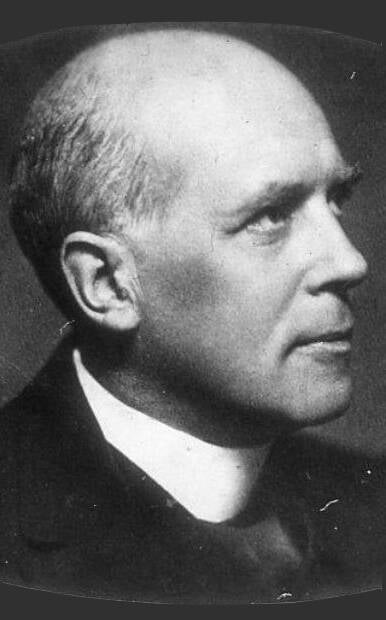
Bell passed away on April 6, 1947, at the age of 84 in Henfield, Sussex, England, due to a cerebral hemorrhage.
His legacy endures primarily through his contributions to 20th-century hymnody. The harmonization of Mit Freuden zart remains a staple in countless hymnals worldwide, ensuring that generations continue to sing this uplifting tune in a form he helped make accessible and beautiful for English-speaking congregations. His translations from Latin also appear in various modern collections (e.g., The Hymnal 1982), preserving ancient texts for contemporary worship. As a scholarly priest, talented organist, and adapter of sacred music, Bell bridged Reformation-era melodies with Edwardian-era hymnals, leaving a quiet but lasting influence on how Christians praise through song today!